
to 65,00 € from 65,00 €
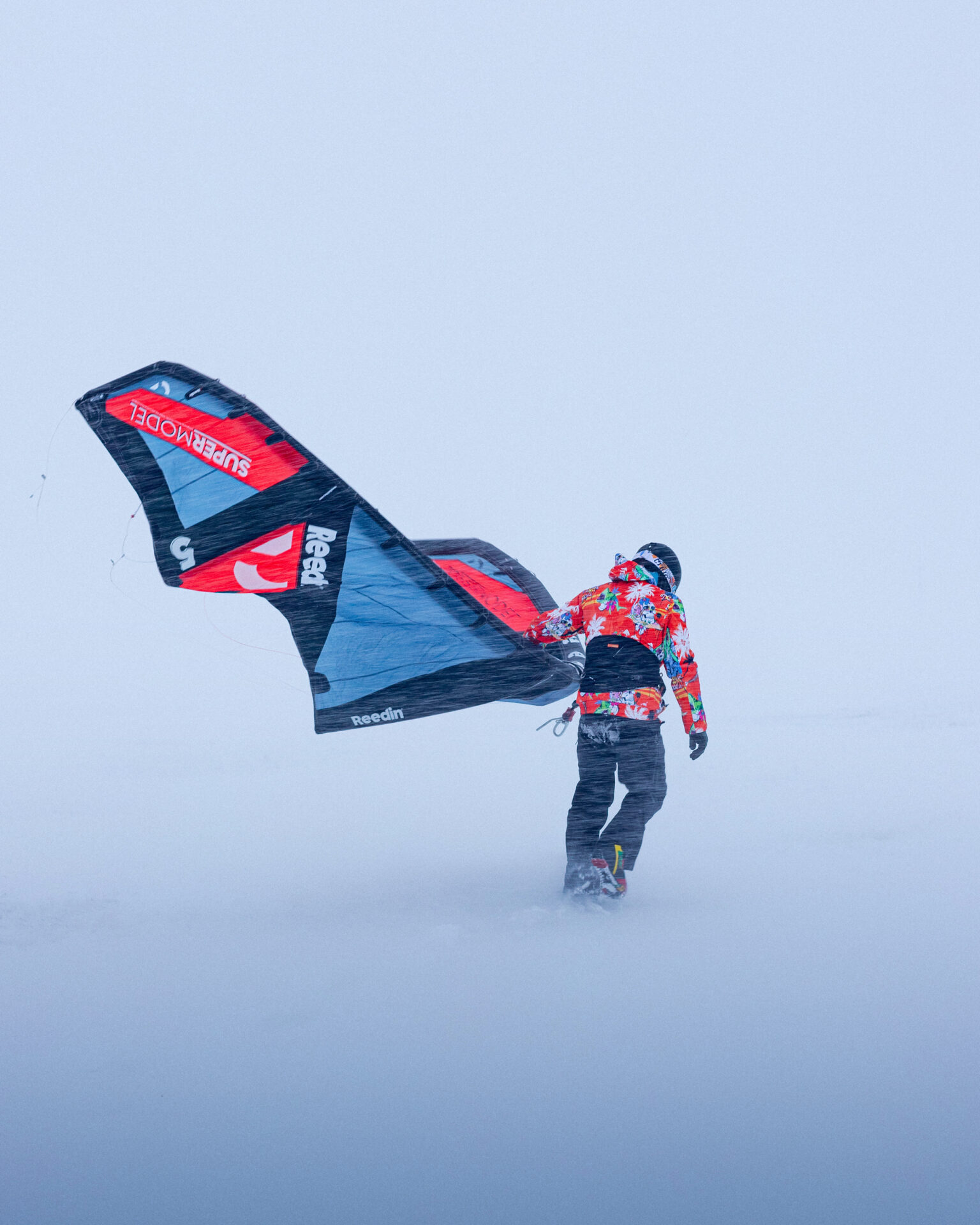
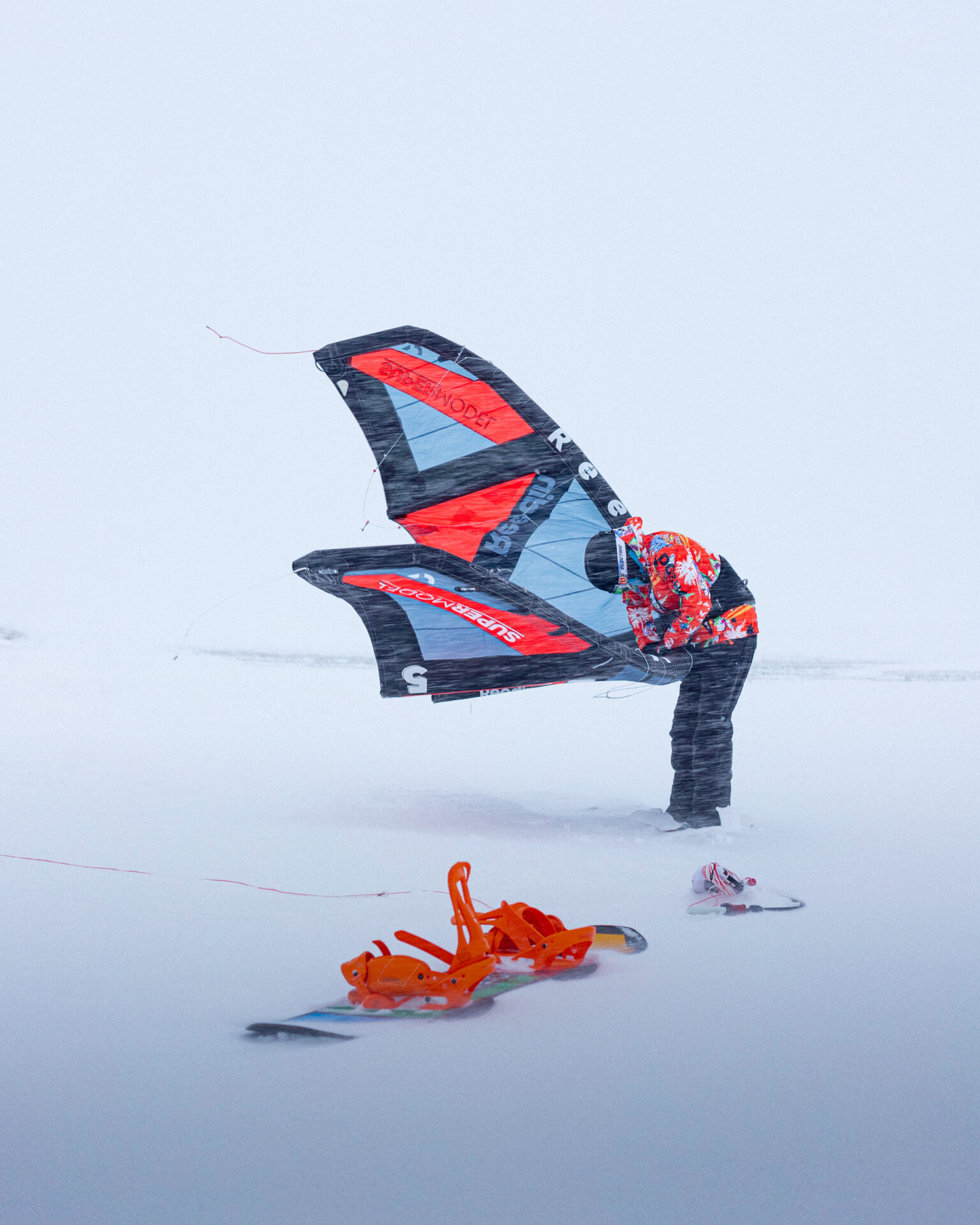
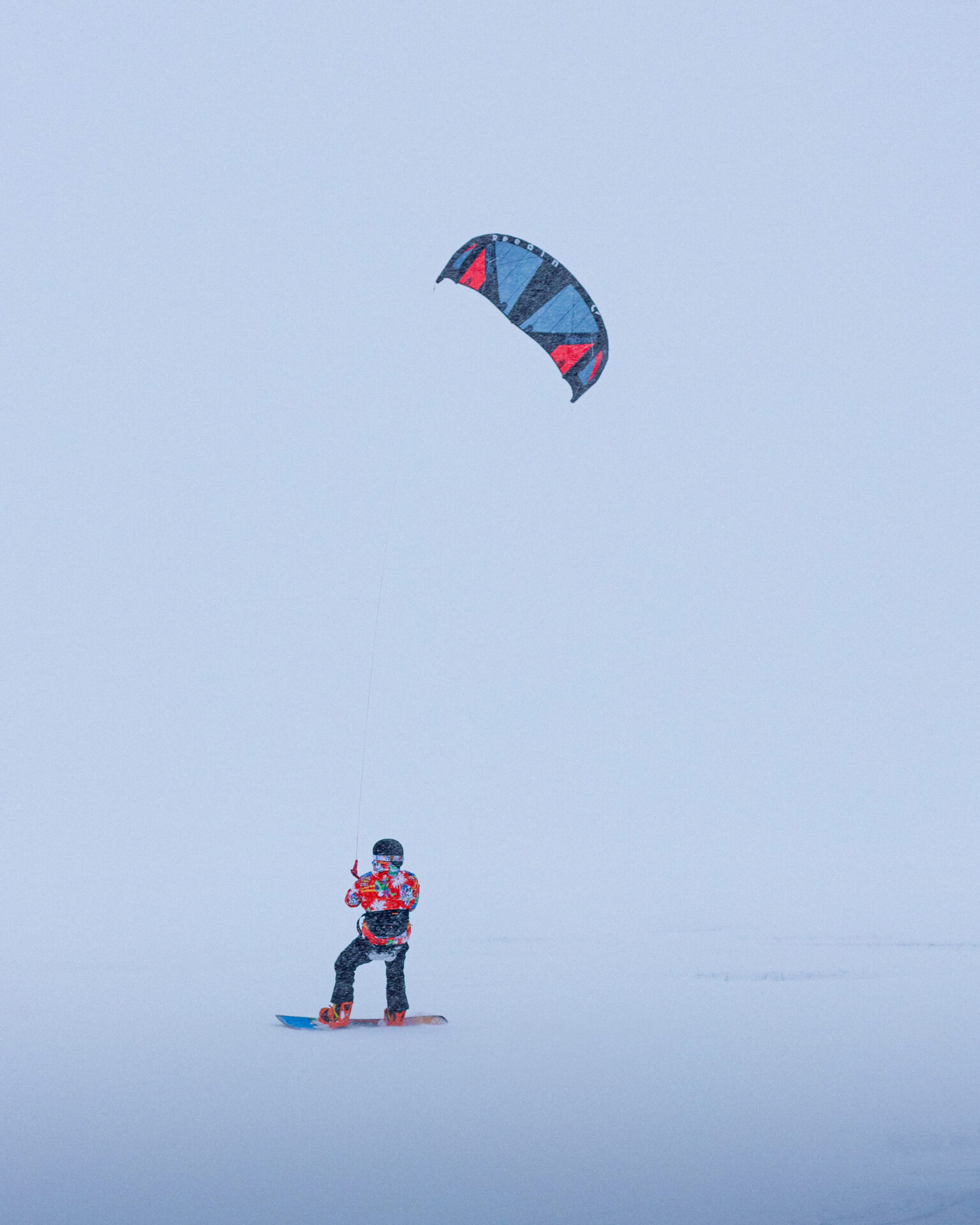
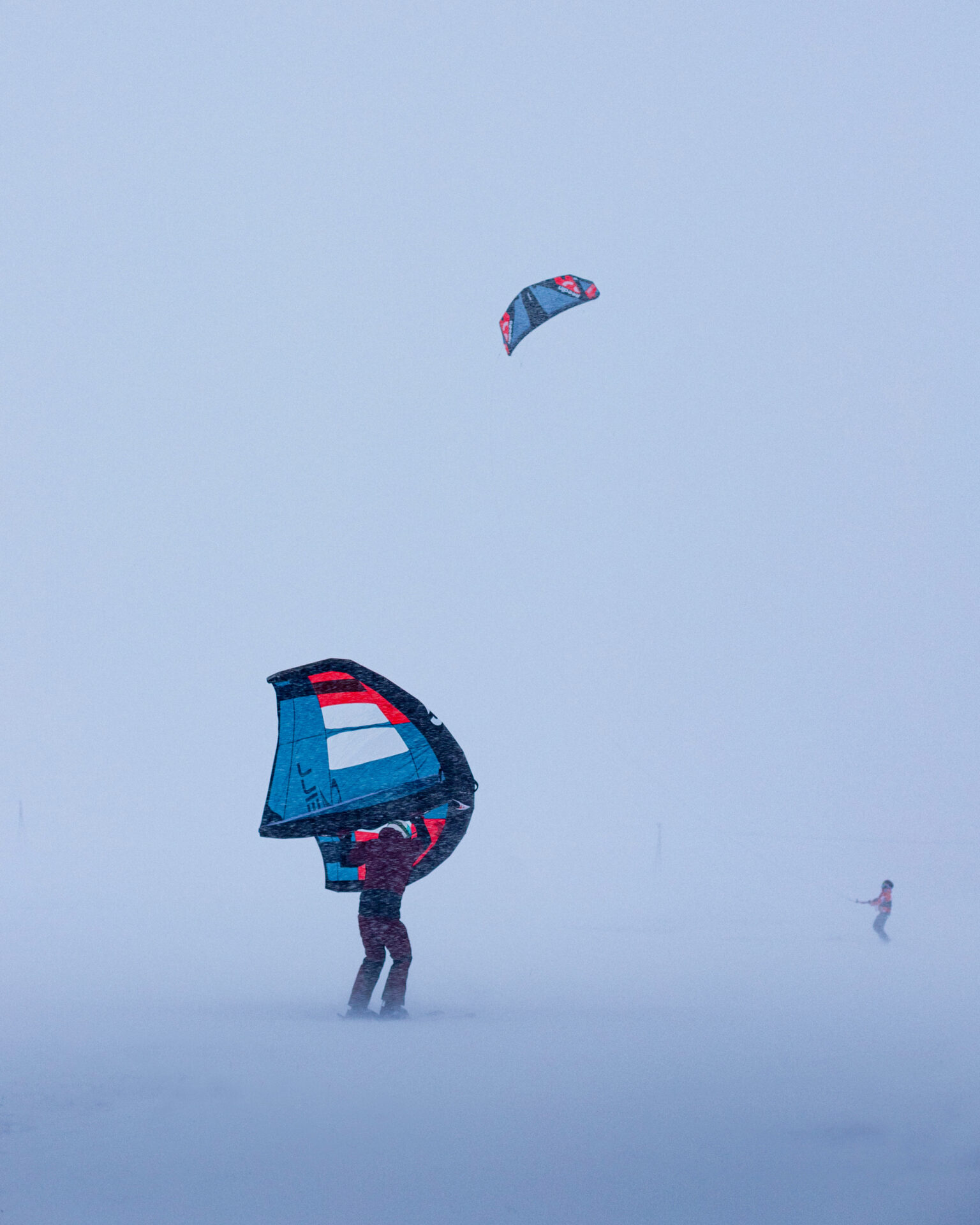
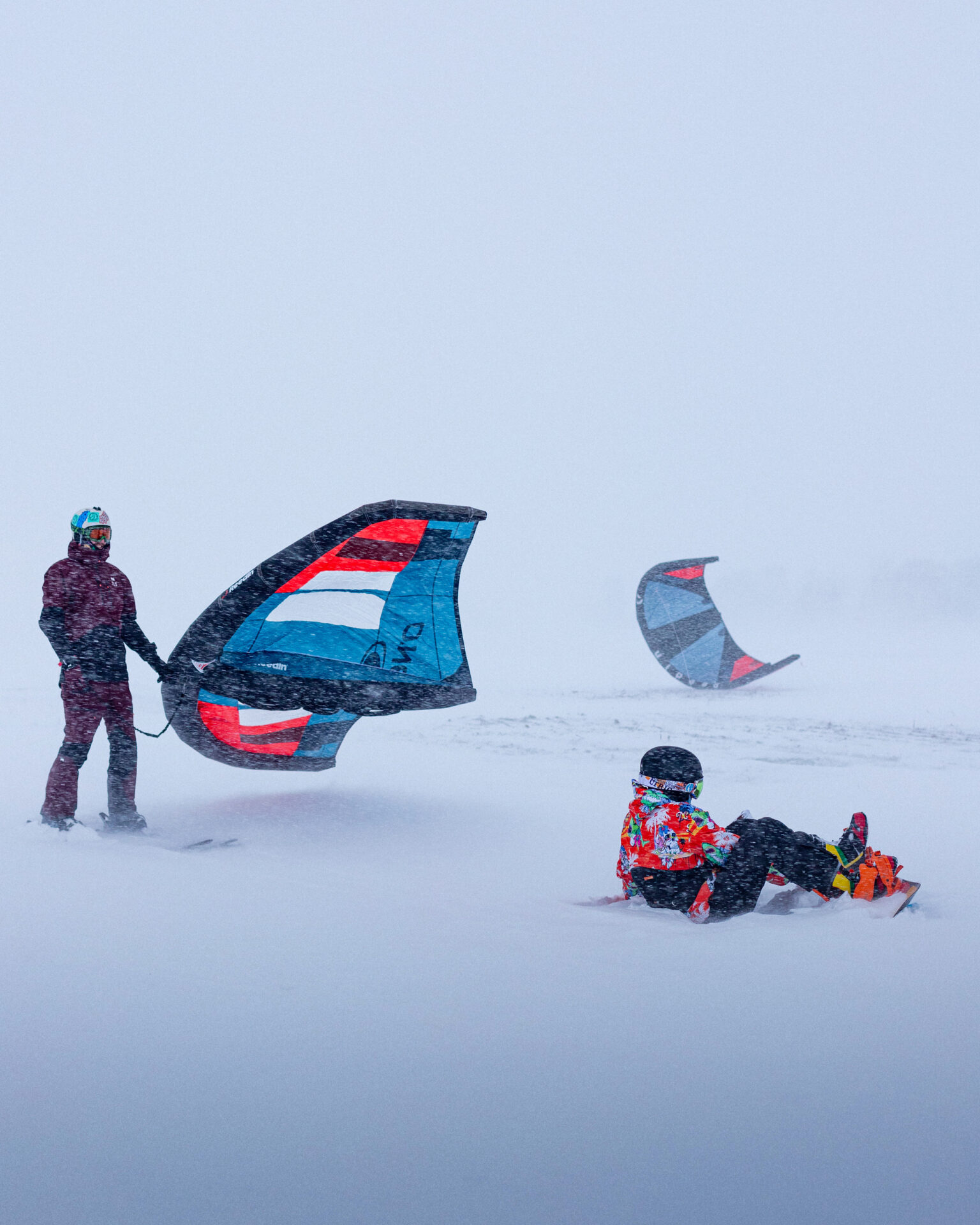
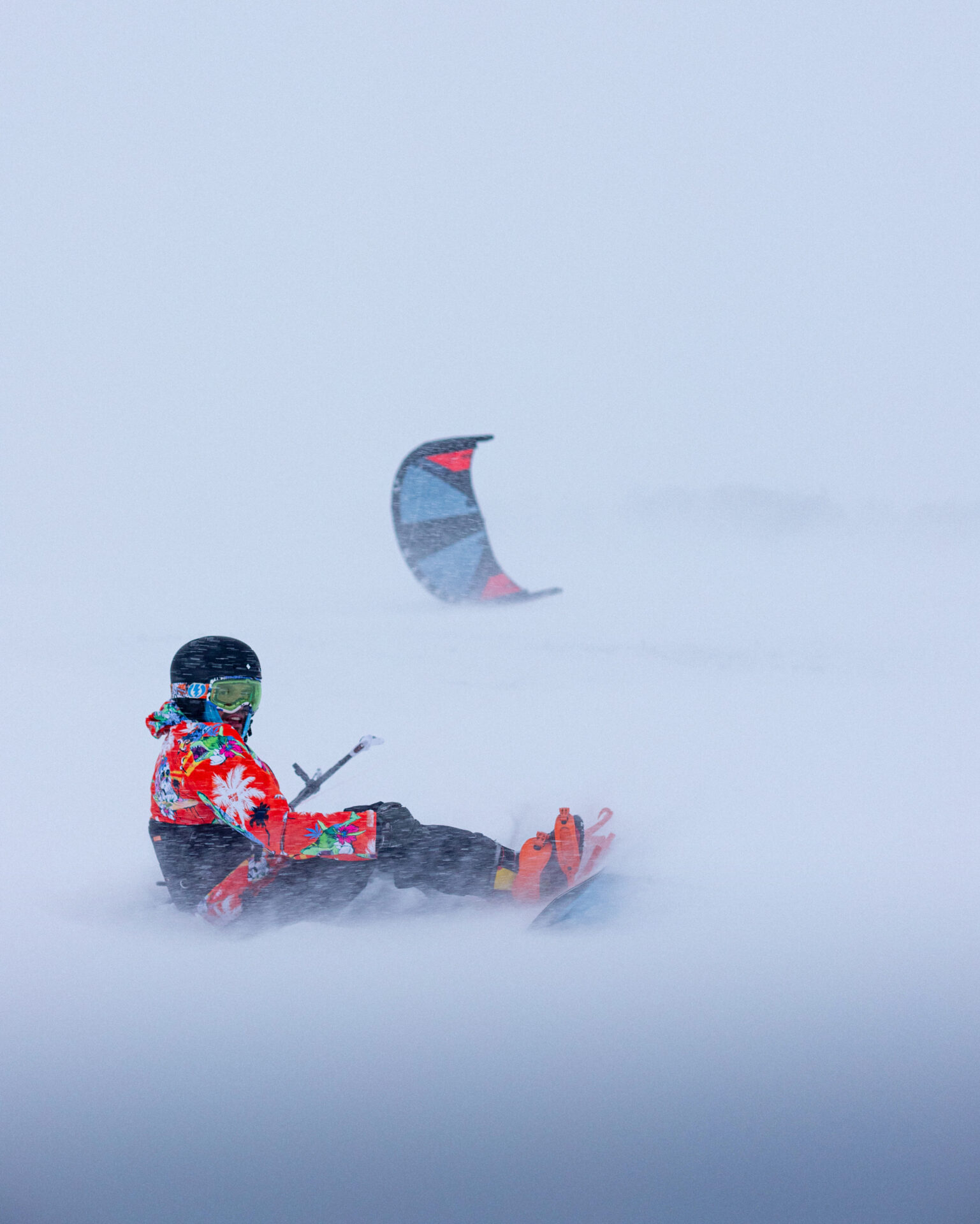
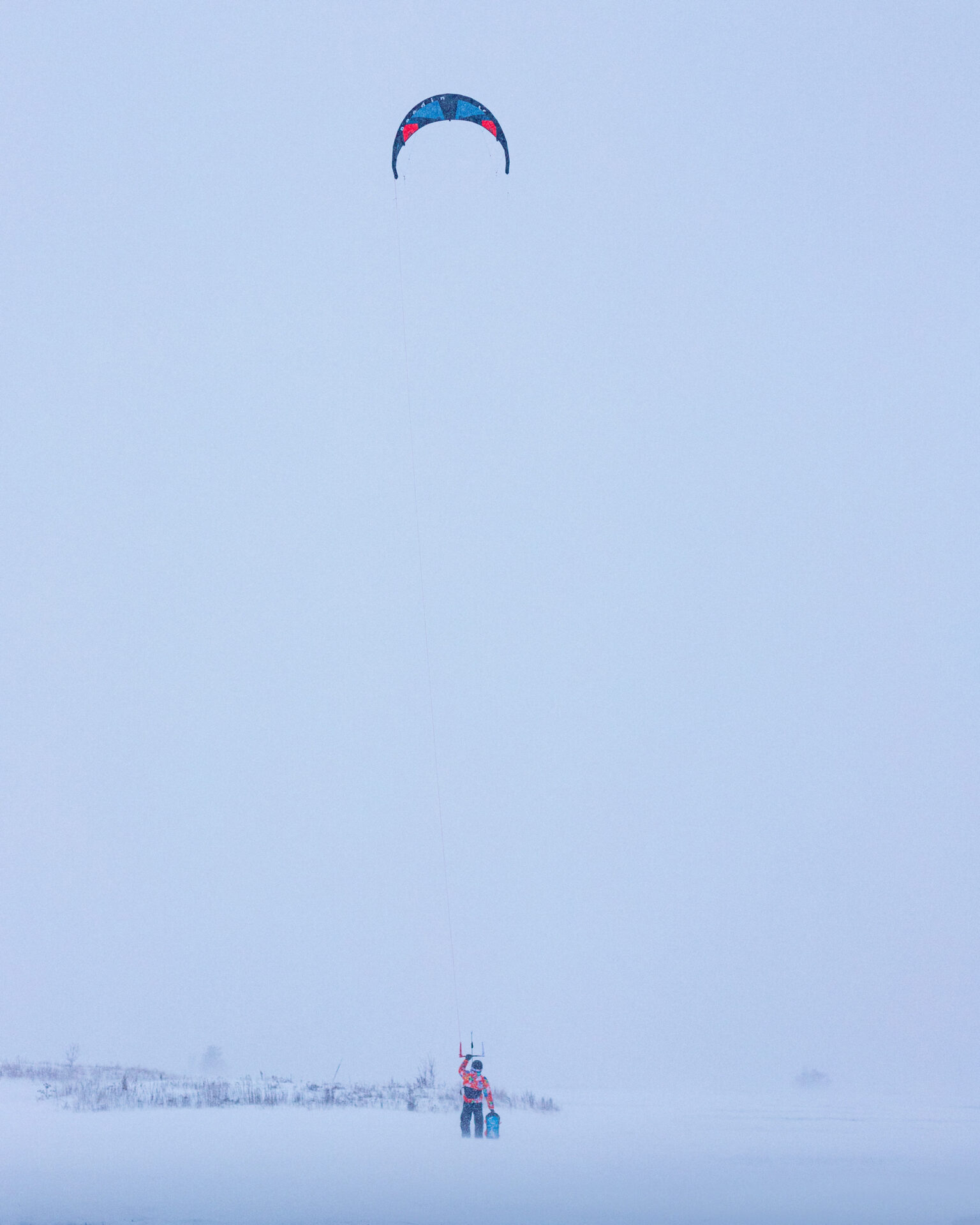
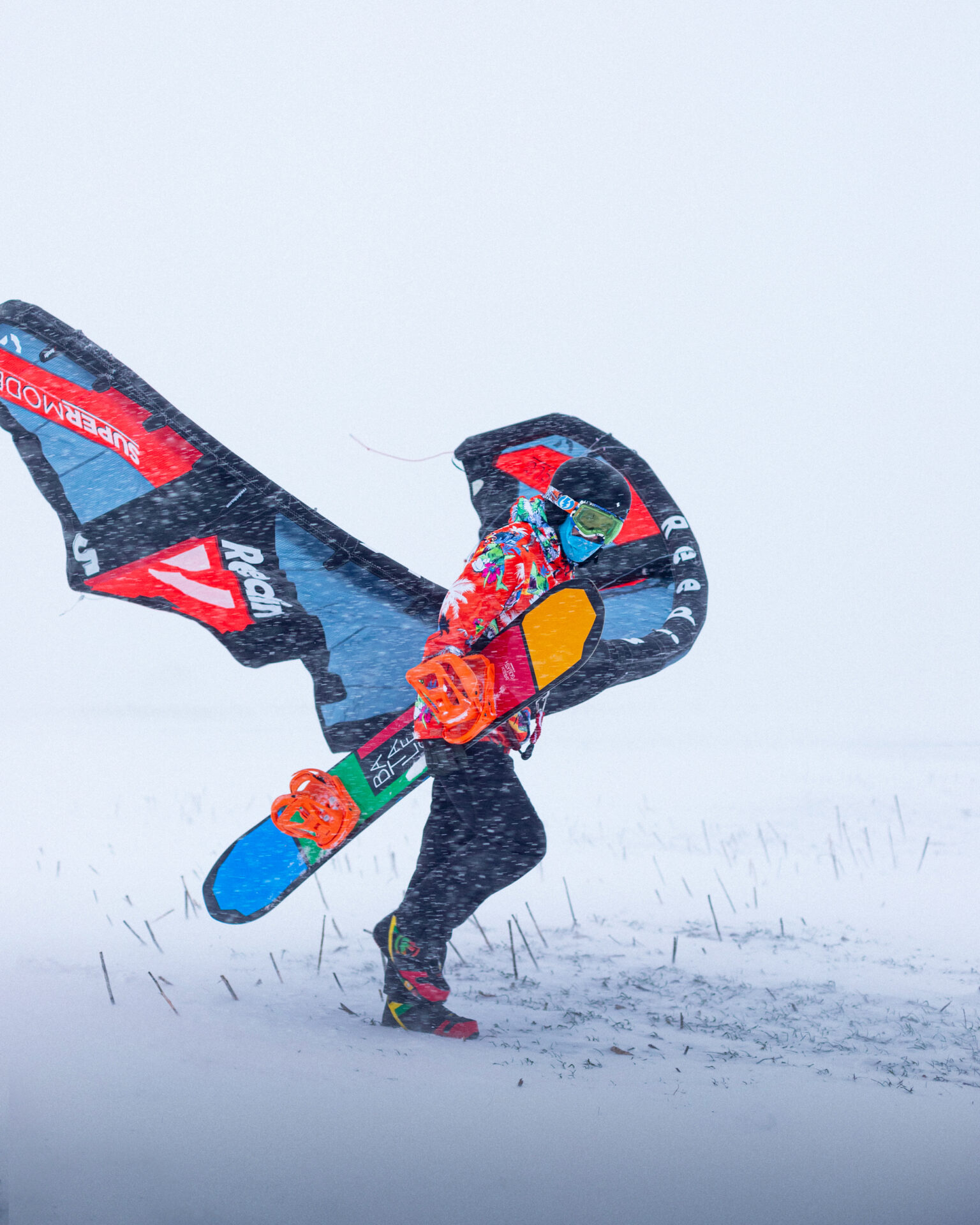
Winter kitesurfing training Kitesurfing is a sport in which a large kite is used for propulsion. You can glide on water with a wakeboard and a kite, on land with a mountainboard and a kite, and on snow with a snowboard or skis. Kitesurfing on snow offers an indescribably cool experience. Kitesurfing requires physical effort, yet it is suitable for enthusiasts of all ages. Estonia’s winter weather conditions are ideal for kitesurfing on snow. The price includes: Kitesurfing equipment, plus snowboard equipment (board, boots, helmet). The training takes an average of 3 hours. When booking, different dates and times will be offered, from which you can choose the one that suits you. If possible, we can arrange the training at a location convenient for you. Training sessions take place near Tallinn, in fields or on frozen lakes. Let us know if you are interested in the training: Risto tel: 56686766 / e-mail: info@surfmaster.ee
It is easiest to start kitesurfing in winter, because getting moving on snow is considerably easier than in water. At the same time, the skills acquired on snow can be successfully applied on water.
During the snowkiting training, the experienced instructors of the surf school teach you how to avoid dangerous situations, choose the right equipment, and assess weather conditions. You will learn how to set up the kite and how to get the kite and board/skis moving with the help of the wind.
Training sessions take place with a minimum wind speed of 4 m/s.
Age limit from 10 years and minimum participant weight 35 kg.
Kitesurfing private lesson (60 min) You have completed the training and want to learn more. You may also come to the training with your own kitesurfing equipment.
Training includes:
1. Overview of kite development and safety
2. Weather conditions (wind, cardinal directions)
3. Professional terminology and description
4. Flying a trainer kite (kite size 2–3 m2)
5. Setting up an inflatable kite (kite size 5–12 m2)
Full kitesurfing course 3 hours.
Training includes:
1. Overview of kite development and safety
2. Weather conditions (wind, cardinal directions)
3. Professional terminology and description
4. Flying a trainer kite (kite size 2–3 m2)
5. Setting up an inflatable kite (kite size 5–12 m2)
6. Flying an inflatable kite
7. Starting to ride with a snowboard and kite.
Related products
-
Gift card 100€
100,00 € Make a selection -
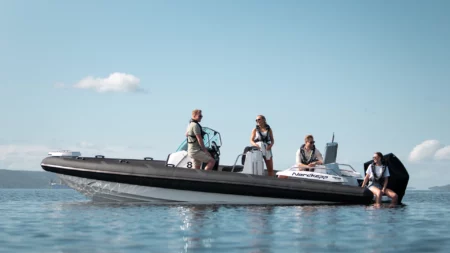
Boat rental
to 180,00 €from 180,00 € Make a selection This product has multiple variants. The options may be chosen on the product page -
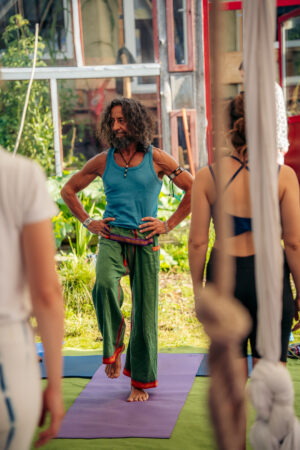
Yoga & paddleboarding hike on Hiiumaa
to 15,00 €from 15,00 € Make a selection This product has multiple variants. The options may be chosen on the product page -
Gift card 50€
50,00 € Make a selection